

Beyond the Ride: Understanding Uber Black
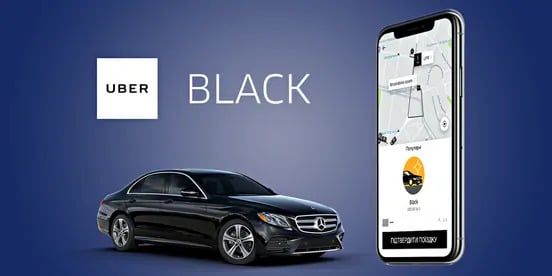
Opening the Uber app gives you a sliding scale of options. UberX is for cheap rides and Uber Pool makes you share its fares, while Uber Black is all about the premium side of things. Not just a pricier car, but a whole separate service tier for those wanting something upscale in the way of professional settings, special events or down-dwellers who care more about their time and comfort than saving a couple bucks.
-

Uber - Request a ride
 4.7
ScoreMaps & NavigationCategoryfreePrice500000000+ 500M+DownloadsReview
4.7
ScoreMaps & NavigationCategoryfreePrice500000000+ 500M+DownloadsReview

The Core Difference: Commercial Licensing
The biggest difference between Uber Black and regular UberX comes down to licensing. UberX drivers typically drive their own cars, have standard insurance and are often part-time workers. Uber Black, on the other hand, does need a commercial license (TCP or PHV depending on the city).
That means the driver possesses professional driving credentials, the vehicle is registered for commercial use, and insurance coverage is generally higher. For corporate travel departments or legal teams, this level of compliance is non-negotiable; it transforms the service from a “ride-share” into an authentic “car service.”
The Fleet: High-End Standards
You’ll never get into a faded sedan with a bumper sticker in an Uber Black. That service requires a certain array of luxury vehicles. In Mercedes-Benz terminology, examples of luxury sedans include the S-Class, BMW 5 Series, Audi A6 and Cadillac XTS.
Outside of the brand, strict condition rules apply. The car is also required to be black or a very dark neutral colour and the interior has to be leather or high-grade vinyl in black. The outside has to be pristine, while the inside can’t contain any personal mess, odor or damage. These vehicles are frequently audited by Uber through photo checks thus guaranteeing a, executive-level look across the whole fleet.
Passenger Expectations: Quiet and Service
So switching to Uber Black changes the whole thing. For standard Uber, the expectation is just “point A to point B.” With Black, the driver will be professionally dressed (often in a suit or other neat dark clothing) and generally help you with bags or doors.
The service aims for a quieter, more controlled setting. Whereas an UberX driver may talk to you or play the radio, an Uber Black driver will most likely remain quiet unless addressed. They are routed stringently so as to avoid unnecessary rough bumps or hard braking. It’s when you’re getting ready for a meeting, napping at the airport or in conversations with clients, and where distraction is not an option.”
Pricing and When to Use It
Uber Black is 2x to 3x the cost of UberX due to commercial insurance, higher MT lifetime costs and properly credentialed drivers. The base fare goes up and the per-minute and per-mile rates jump considerably.
So when do you hit the “Black” button?
1. Business Trip: Wowing a client or going to the board meeting.
2. Airport Pickups: You need reserve trunk space for bags and a driver to wait at the curb.
3. Special Events: Weddings, anniversaries or nights out where the transportation is part of it.
4. Safety (context-specific): In some cities, drivers who work under passenger apps undergo more robust background checks than gig-economy workers.
Comfort & Premier’s Emergence
Arguably Uber eats into the Black market by making intermediate tiers (Uber Comfort and Uber Premier). Comfort features newer vehicles and more legroom but has no commercial license requirement. In many cities, Premier is the new Black — luxe cars without the stringent commercial livery requirements.
Only for the absolute maximum level of legal cover (say, commercial liability insurance) remains Uber Black the crown.
Conclusion
Uber Black isn’t about saving money to get there; it’s about getting there professionally. If you’re late for a flight, on your way to a deposition or just want some quiet, smooth luxury after a long work day, the premium for the black car is well spent — an investment in time, comfort and legal protection. It transforms a taxi ride into a chauffeur service, communicated via the same app you use to order pizza.