


 4.9
4.9



Merlin Bird ID by Cornell Lab App Info


Introduction
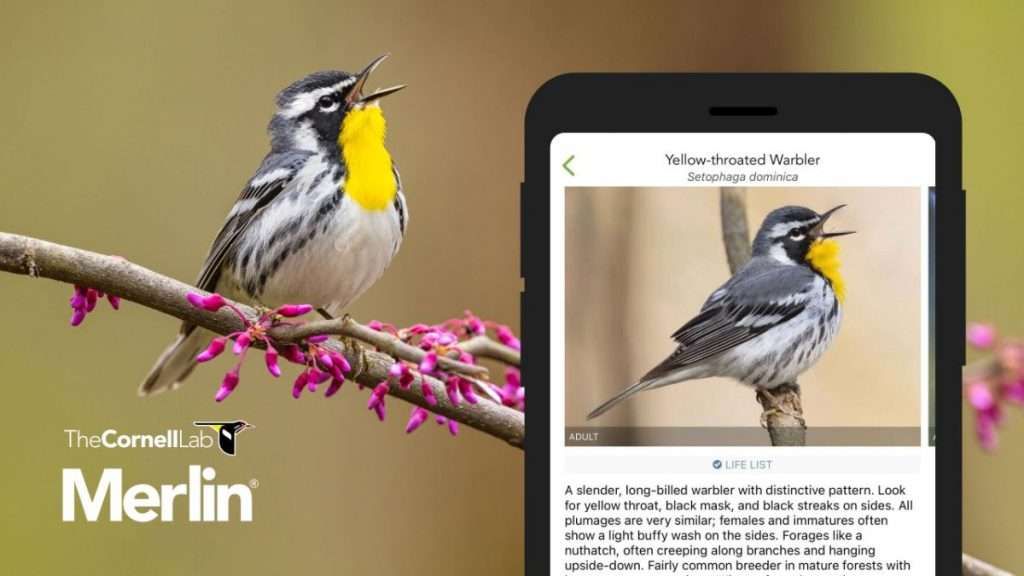
Merlin Bird ID by Cornell Lab is a revolutionary mobile application designed for bird enthusiasts, experts, and novice bird watchers alike. Developed by the experts at the renowned Cornell Lab of Ornithology, this app enables users to easily identify birds and learn. Leveraging advanced computer vision technology, Merlin Bird ID serves as a virtual field guide to birds, offering bird watchers a comprehensive, user-friendly, and interactive resource. This application takes bird identification to new heights, helping users to easily recognize various bird species based on their unique features, sounds, and habitat. With over 7,000 beautiful photographs from bird enthusiasts around the world, Merlin Bird ID provides an unparalleled experience for anyone looking to learn about and identify birds.
Features of Merlin Bird ID by Cornell Lab
 Photo ID Feature
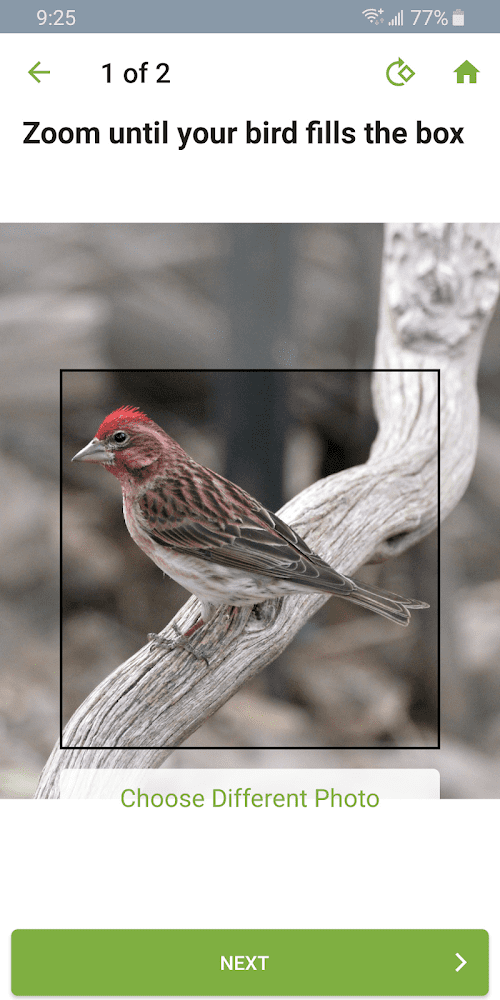
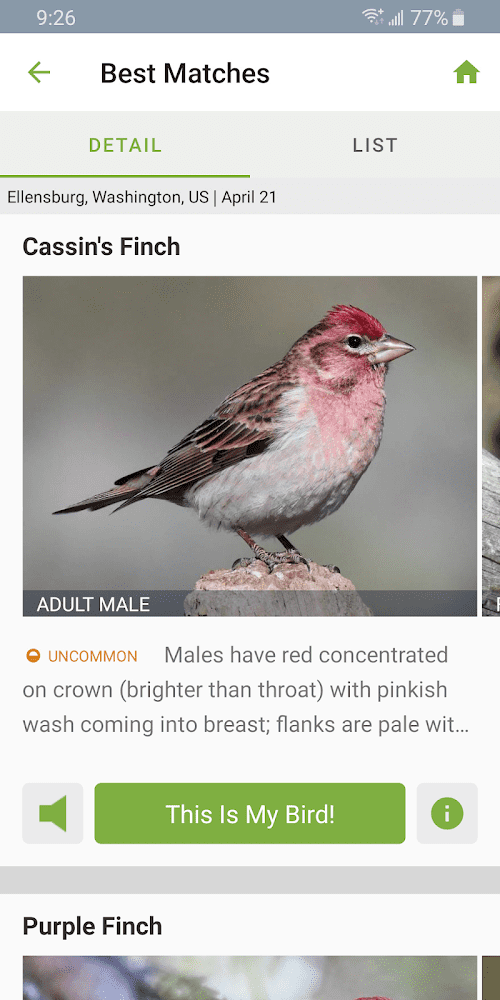
The Merlin Bird ID app utilizes state-of-the-art computer vision technology to recognize bird species from photographs. By simply pointing the camera towards a bird, the app will analyze the image, compare it to thousands of bird species, and provide users with the most likely matches.
Extensive Bird Database
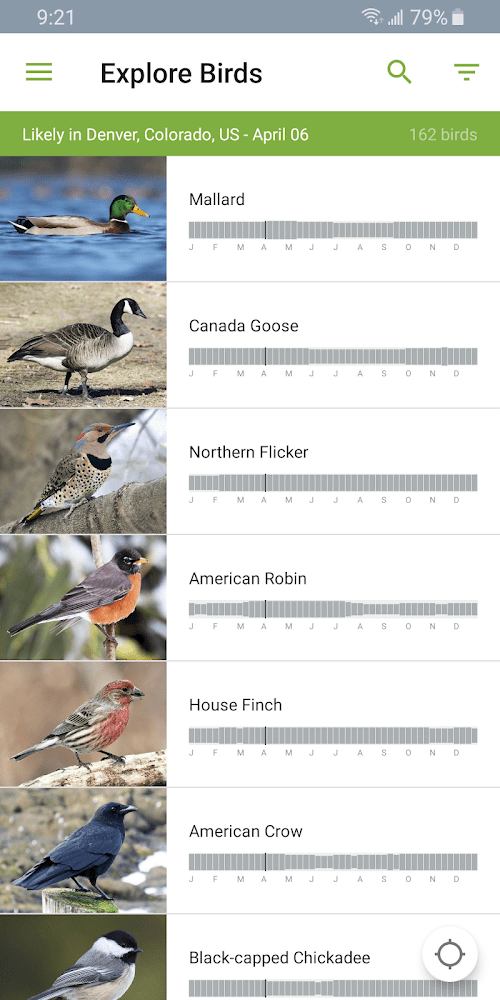
Merlin Bird ID boasts an extensive database of over 6,000 bird species from around the world, making it one of the most comprehensive bird identification apps available. Users can search for birds based on their location, color, size, and other characteristics to quickly identify the birds they encounter.
eBird Integration
Merlin Bird ID seamlessly integrates with the prominent bird-sighting database, eBird. Users can log their sightings directly into the app, allowing them to contribute valuable data to the bird-watching community and build their birding life list.
Personalized Bird Lists
Merlin Bird ID allows users to create personalized bird lists to keep track of their sightings, making it easy to record and share their observations with others. Users can also add notes and photos to their lists, creating a personal birding diary that can be accessed across multiple devices.
Highlights of Merlin Bird ID by Cornell Lab
 Beginner-Friendly
Merlin Bird ID is designed to be user-friendly, making it accessible to birdwatchers of all levels, including beginners. The app provides step-by-step identification guidance, making it easy for users to identify birds even if they have limited knowledge of bird species.
Expert-Approved Information
The app is backed by the expertise of the Cornell Lab of Ornithology, ensuring that the information provided is accurate, up-to-date, and of the highest quality.
Customized Results
Merlin Bird ID provides customized results based on the user’s location, time of year, and other environmental factors. This ensures that the app provides accurate and relevant bird identification suggestions based on the user’s specific location and conditions, increasing the chances of correctly identifying the bird species.
Tips
 Utilize the Photo ID Feature!
Merlin Bird ID also has a photo identification feature that allows you to upload a photo of the bird you want to identify. Make sure to capture clear and detailed photos of the bird from different angles, focusing on key features such as the bird’s plumage, beak, and markings. The app uses these photos to compare with its database of bird images and provide more accurate identifications.
Explore Additional Features.
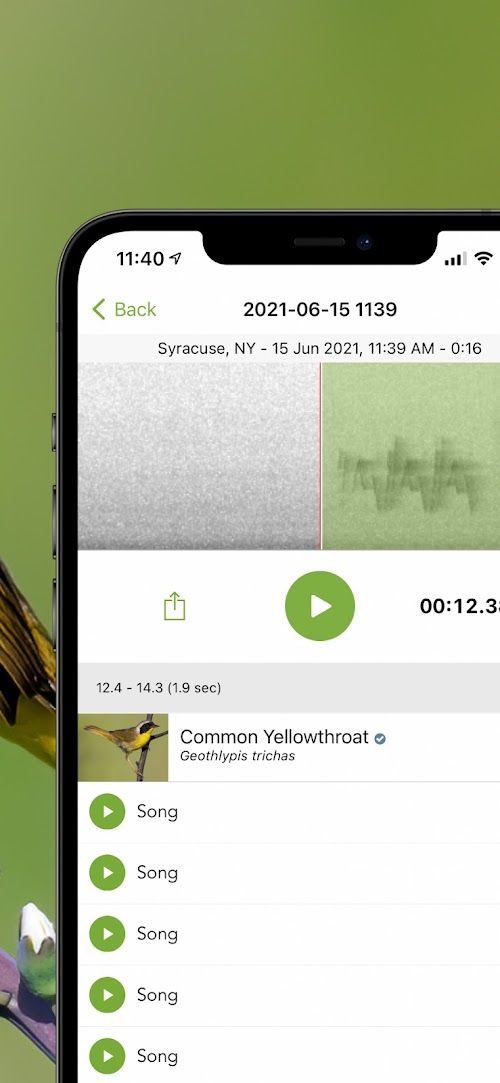
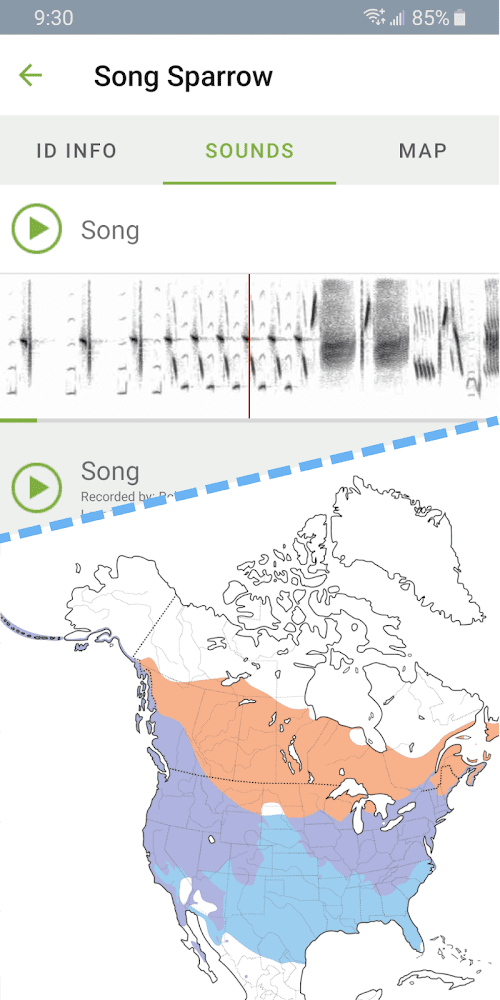
Merlin Bird ID offers additional features such as bird songs and calls, range maps, and species accounts with detailed information about the bird’s biology, behavior, and conservation status. Take advantage of these features to learn more about the bird species you encounter and deepen your knowledge of birdwatching.
Pros & Cons
 Beginner-friendly with step-by-step identification guidance enables all users to quickly get mastered.
Extensive bird database with over 6,000 species ensures accuracy and immediacy.
Beginner-friendly with step-by-step identification guidance enables all users to quickly get mastered.
Extensive bird database with over 6,000 species ensures accuracy and immediacy.
 Identification is limited to birds species in the application database
May have occasional inaccuracies in identification due to AI limitations.
Identification is limited to birds species in the application database
May have occasional inaccuracies in identification due to AI limitations.
FAQ


Ratings