


 4.1
4.1


Fitbit App Info


Introduction
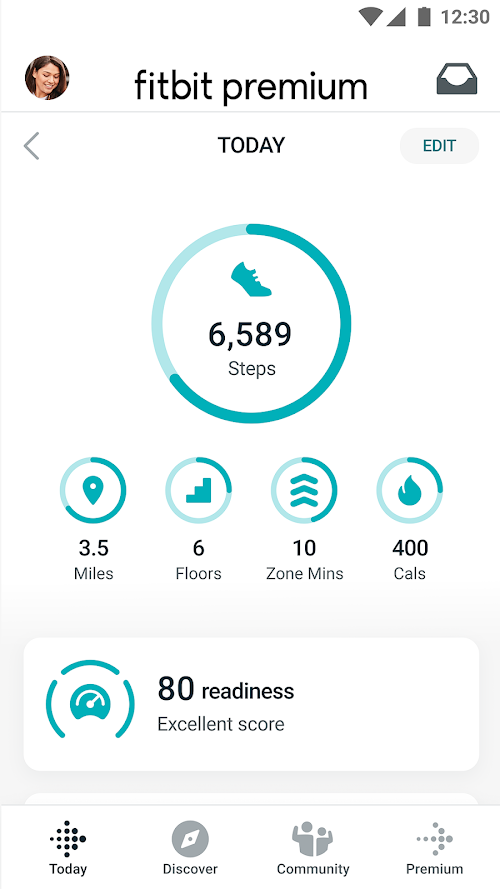
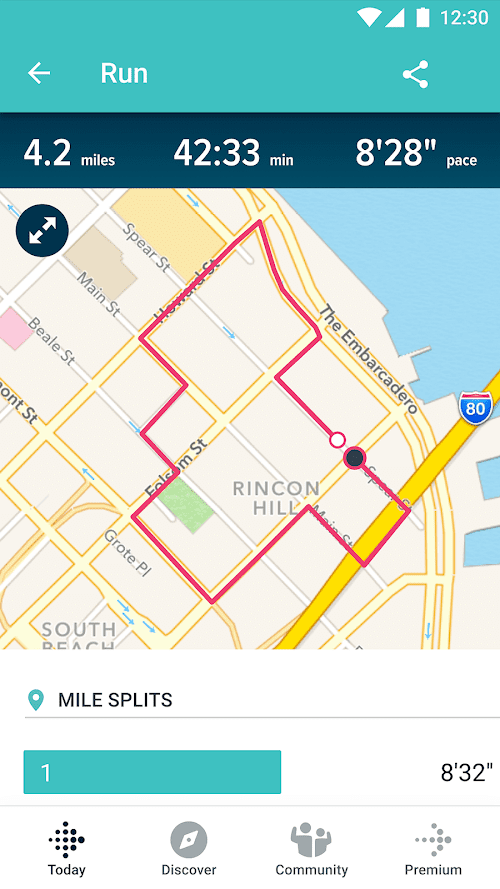
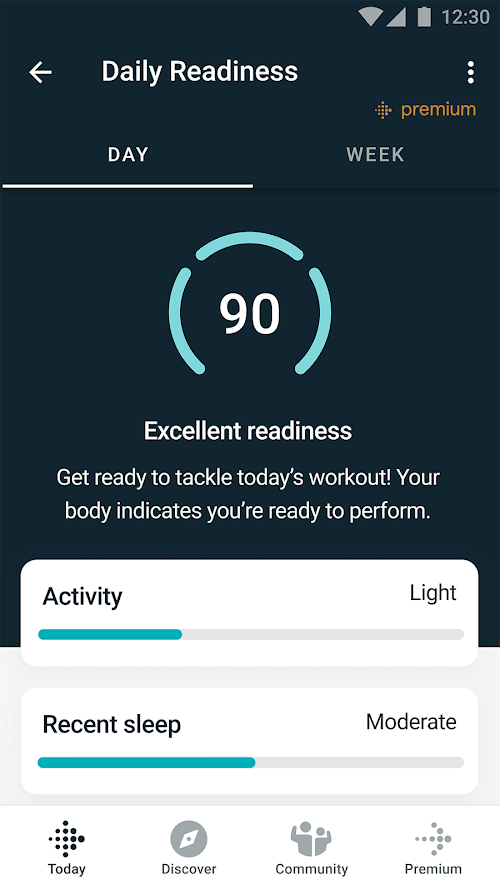
Fitbit is a health and fitness tracking application developed by Fitbit LLC, a company based in San Francisco, California. The application was first launched on March 21, 2014, and has since become one of the most popular fitness apps available on the market. It is compatible with a variety of devices, including smartphones, tablets, and Fitbit wearables, and allows users to track their daily physical activity, monitor their heart rate, log their food intake, and analyze their sleep patterns. Fitbit can sync with the user’s Fitbit device and display real-time data on their physical activity, such as the number of steps taken, distance traveled, and calories burned. The app also allows users to set personalized goals, track their progress over time, and connect with friends and family members to stay motivated and engaged in their fitness journey.
Features of Fitbit
 Activity Tracking
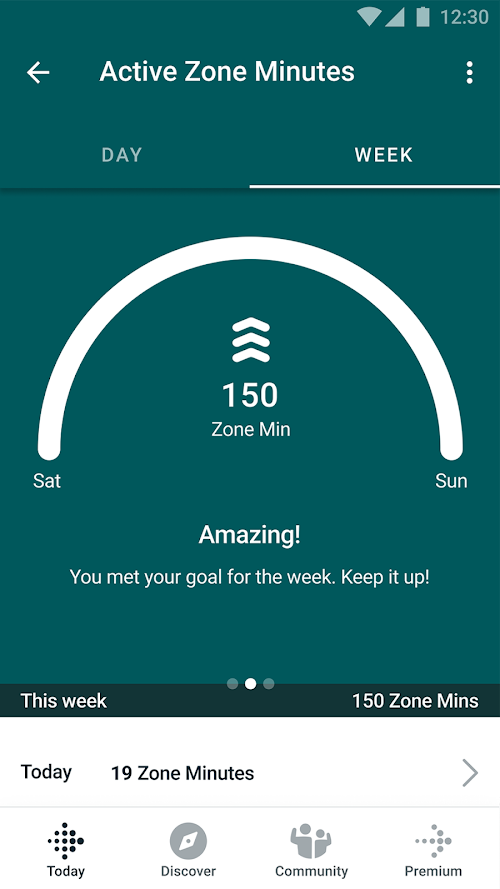
Fitbit allows users to track their daily physical activity, such as the number of steps taken, the distance covered, and the calories burned. The application uses the sensors on the user’s phone or wearable device to record this information, which is then displayed in a user-friendly interface.
Heart Rate Monitoring
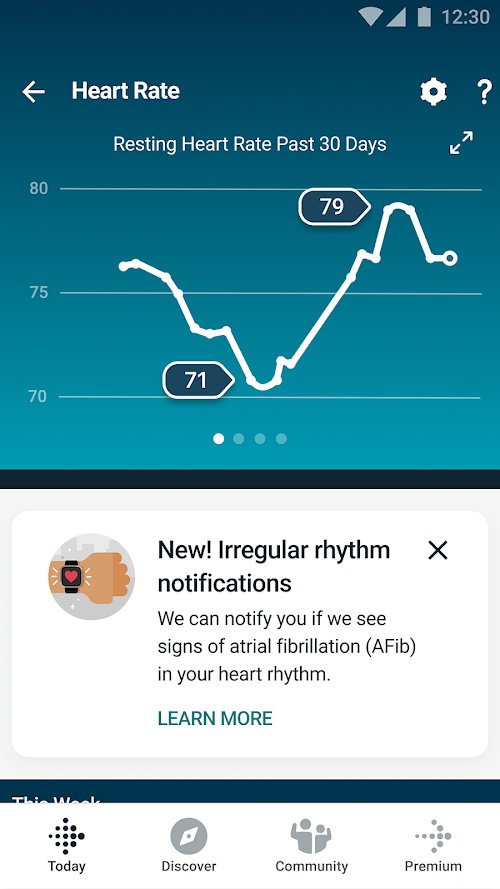
Fitbit also allows users to monitor their heart rate throughout the day. This feature is particularly useful for those who are looking to improve their cardiovascular fitness, as it can help them to track their progress and adjust their workouts accordingly.
Sleep Tracking
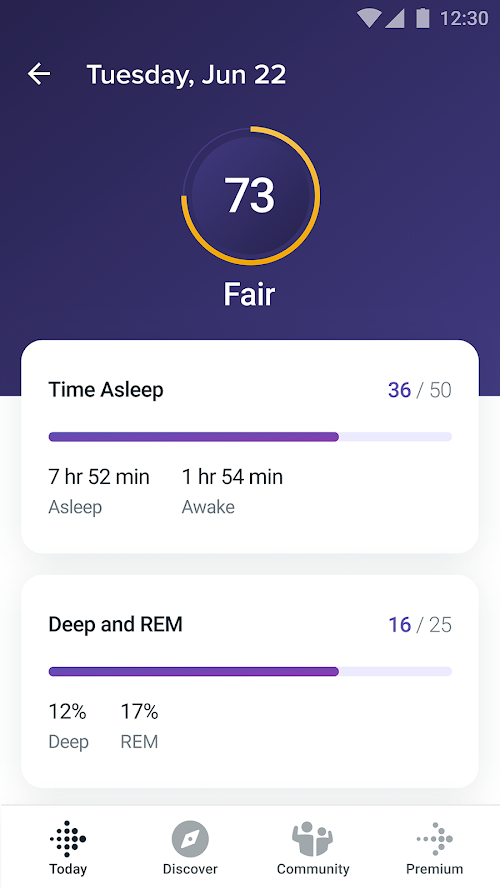
Another key feature of Fitbit is its ability to track the user’s sleep patterns. The application uses sensors to detect when the user is asleep and tracks the quality of their sleep, including the number of times they wake up during the night and how long they spend in each stage of sleep.
Diet and Weight Management
Finally, Fitbit also includes a range of tools to help users manage their diet and weight. The application allows users to log their meals and snacks, set goals for their daily calorie intake, and track their weight over time.
Highlights of Fitbit
 Customizable Goals
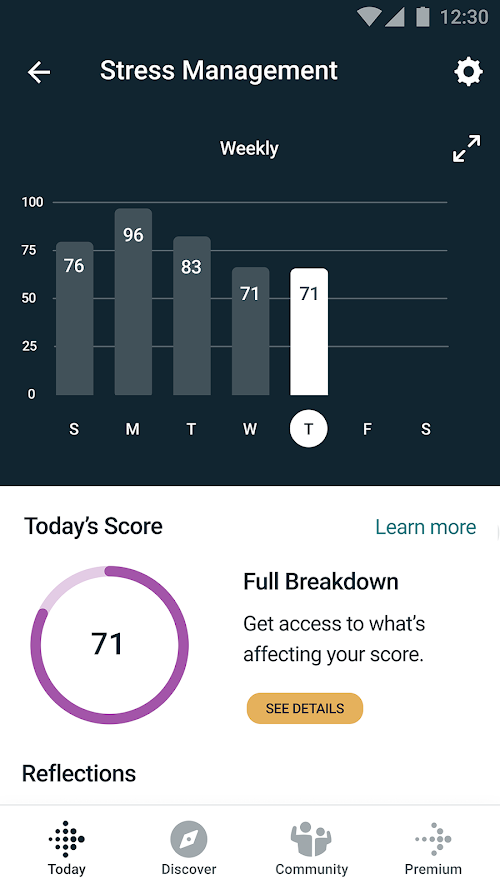
Fitbit allows users to set their own goals for physical activity, heart rate, sleep, and weight management. This means that users can tailor the application to their own needs and preferences, and track their progress towards their goals over time.
Social Features
Fitbit also includes a range of social features that allow users to connect with friends and family who are also using the application. Users can compete with each other in challenges, share their progress, and provide encouragement and support.
Powerful Syncing
Fitbit allows user data to be automatically synced across multiple devices, including smartphones, tablets, computers, and smartwatches.
Tips
 Set realistic goals!
When you first start using Fitbit, it’s important to set achievable goals. For example, if you’re new to fitness, setting a goal of 10,000 steps per day might be too challenging. Instead, try setting a goal of 5,000 steps and gradually increase it over time. By setting realistic goals, you’ll be more motivated to achieve them and less likely to give up.
Sync your device regularly.
To get the most out of the Fitbit app, it’s important to sync your device regularly.  This will ensure that your data is up-to-date and accurate. You can sync your device by opening the Fitbit app and tapping on the “Sync” button. You can also set your device to automatically sync with the app.
Pros & Cons
 Fitbit provides personalized insights, tracking for a variety of activities.
Comprehensive fit historical data is provided to every Fitbit user for reference at any time.
Fitbit provides personalized insights, tracking for a variety of activities.
Comprehensive fit historical data is provided to every Fitbit user for reference at any time.
 Certain features, such as heart rate monitoring, require more advanced devices.
If the application is kept open, it may accelerate the power consumption of the device.
Certain features, such as heart rate monitoring, require more advanced devices.
If the application is kept open, it may accelerate the power consumption of the device.
FAQ


Ratings