



 3.6
3.6
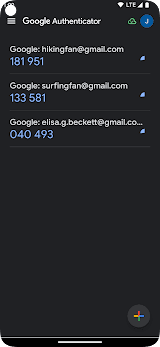
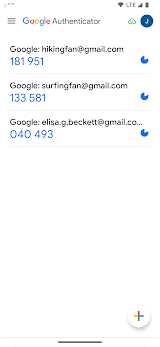






Google Authenticator App Info


Introduction
Google Authenticator is a mobile application developed by Google LLC that implements two-step verification services using the Time-based One-time Password Algorithm (TOTP) and HMAC-based One-time Password algorithm (HOTP), for authenticating users of software applications. It was first released in 2010. Google Authenticator generates verification codes called two-factor authentication codes needed during the second step of the login process to verify a user’s identity. It provides an additional layer of security beyond traditional passwords to protect user accounts from unauthorized access. The app can be used for Google services like Gmail and for other third-party applications that support TOTP and HOTP standards.
Features of Google Authenticator
 Two-Factor Authentication:
Google Authenticator provides an extra layer of security by generating time-sensitive, unique codes that users must enter alongside their passwords, mitigating the risk of unauthorized access. This robust 2FA mechanism ensures that even if passwords are compromised, an additional step is required for entry.
 Time-Based One-Time Passwords:
Leveraging TOTP, Google Authenticator generates time-dependent codes, ensuring that access credentials are dynamic and less susceptible to replay attacks. This feature enhances security by making each code valid for only a short period.
Multi-Device Synchronization:
Google Authenticator allows users to sync their accounts across multiple devices, providing flexibility without compromising security. This feature is especially beneficial for those who frequently switch between devices, ensuring a seamless and secure authentication process.
Offline Access:
One notable feature of Google Authenticator is its ability to function offline. Users can generate codes even when their devices are not connected to the internet, assuring accessibility and reliability in various situations.
Highlights of Google Authenticator
 User-Friendly Interface
Google Authenticator boasts an intuitive and straightforward interface, making it accessible for users of all technical proficiencies. The app simplifies the process of setting up and managing two-factor authentication.
 Compatibility with Popular Services
Widely adopted by major online platforms, Google Authenticator seamlessly integrates with various services, including Google itself, Dropbox, and numerous banking applications, ensuring widespread utility for users across diverse digital landscapes.
Enhanced Security
By employing time-sensitive codes and a decentralized authentication system, Google Authenticator enhances security, reducing the risk of identity theft and unauthorized account access. The time-based nature of the codes adds an extra layer of protection.
Tips
 Implement Strong Account Recovery Options.
Enhance the reliability of your Google Authenticator usage by implementing strong account recovery options. Link your Google Authenticator app to your Google account, enabling efficient account recovery in case of device loss or malfunction. Additionally, familiarize yourself with alternative recovery methods provided by the services using two-factor authentication, such as backup codes or secondary authentication mechanisms, offering additional layers of security and peace of mind.
 Multi-Device Configuration.
Optimize your user experience by configuring Google Authenticator on multiple devices. This feature allows for seamless authentication across various platforms, enhancing accessibility while maintaining the app’s robust security measures. When setting up multi-device functionality, prioritize security by carefully following the provided instructions and ensure that all devices are kept in secure and trusted environments.
Pros & Cons
 1. Google Authenticator significantly bolsters security by requiring a second form of authentication beyond passwords.
2. The compatibility with various services makes it a versatile tool for users seeking secure authentication solution.
3. The ability to generate codes offline ensures accessibility when internet connectivity may be limited or unreliable.
4. The multi-device synchronization feature adds convenience for users who transition between devices regularly.
1. Google Authenticator significantly bolsters security by requiring a second form of authentication beyond passwords.
2. The compatibility with various services makes it a versatile tool for users seeking secure authentication solution.
3. The ability to generate codes offline ensures accessibility when internet connectivity may be limited or unreliable.
4. The multi-device synchronization feature adds convenience for users who transition between devices regularly.
 1. Users may face challenges if their device is lost, stolen, or malfunctions.
2. Time-based nature can be inconvenient as users need to input the code in a short time.
3. Google Authenticator lacks built-in account recovery mechanisms.
1. Users may face challenges if their device is lost, stolen, or malfunctions.
2. Time-based nature can be inconvenient as users need to input the code in a short time.
3. Google Authenticator lacks built-in account recovery mechanisms.
FAQ


Ratings