



 4.7
4.7











Microsoft Teams App Info


Introduction
Microsoft Teams is a comprehensive collaboration and communication platform designed to facilitate efficient teamwork and streamline communication within organizations. It combines various tools and features to create a unified workspace for teams to collaborate, communicate, and share information.
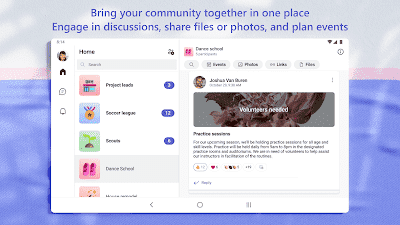
Teams provides a chat-based workspace where team members can communicate in real-time through text conversations, voice calls, and video meetings. It supports both one-on-one and group chats, allowing users to stay connected and discuss projects or ideas.
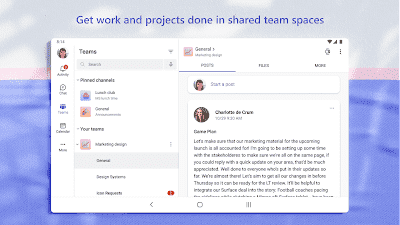
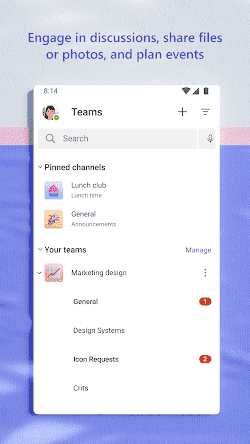
In addition to chat, Teams offers a wide range of collaborative features. Users can create channels to organize conversations, share files, and collaborate on documents simultaneously. The integration with other Microsoft 365 apps such as Word, Excel, and PowerPoint allows for seamless document collaboration and editing.
Teams also has extensive video conferencing capabilities. It enables users to schedule and join video meetings, conduct presentations, and share their screens. The ability to record meetings helps in capturing important discussions or training sessions for future reference.
One of the key advantages of Teams is its integration with other Microsoft and third-party apps. Users can connect their favorite tools and services to Teams, enhancing productivity and streamlining workflows. Whether it's project management tools, customer relationship management software, or business analytics platforms, Teams can integrate with a wide range of applications to meet specific business needs.
Furthermore, Teams provides a secure and compliant environment for communication and collaboration. It offers data encryption, secure user authentication, and compliance with industry standards to protect sensitive information and ensure data privacy.
Features of Microsoft Teams
 Chat-based collaboration
Teams offers a chat-based workspace where users can have real-time text conversations, voice calls, and video meetings. It provides a central hub for team members to communicate, share ideas, and collaborate on projects.
Integrated collaboration tools
Teams integrates seamlessly with various Microsoft 365 apps and services, such as SharePoint, Outlook, and OneDrive. This integration allows users to easily access and collaborate on files, emails, and calendar events within the Teams platform.
Highlights of Microsoft Teams
 Video conferencing and meetings
Teams provides a robust video conferencing solution, enabling users to schedule and join online meetings with colleagues or external participants. It supports video and audio calls, screen sharing, presentation modes, and recording capabilities, making it a versatile virtual meeting platform.
Extensibility and third-party app integration
Teams allows for the integration of third-party apps, providing users with the flexibility to customize their workspace and enhance productivity. Whether it's project management tools, customer relationship management systems, or other business applications, Teams can integrate with a wide range of apps to streamline workflows.
Tips
 Schedule and manage meetings
Use the calendar feature in Teams to schedule and manage virtual meetings, ensuring a smooth meeting experience.
 Set up and manage teams
Take the time to set up teams properly, including access permissions, roles, and channels, to ensure effective collaboration and communication.
Explore the Help Center
Teams has a comprehensive Help Center with tutorials, guides, and resources to help you navigate the platform and troubleshoot any issues.
Pros & Cons
 1. Microsoft Teams provides a unified platform for messaging, voice calls, video conferencing, and file sharing, allowing teams to collaborate effectively.
2. Teams seamlessly integrates with other Microsoft 365 apps, such as Word, Excel, and SharePoint, enhancing productivity and streamlining workflows.
1. Microsoft Teams provides a unified platform for messaging, voice calls, video conferencing, and file sharing, allowing teams to collaborate effectively.
2. Teams seamlessly integrates with other Microsoft 365 apps, such as Word, Excel, and SharePoint, enhancing productivity and streamlining workflows.
 1. Teams can be complex for new users, requiring time and effort to become proficient in its full functionality.
2. Teams can bombard users with notifications, which may hinder focus and productivity if not managed properly.
1. Teams can be complex for new users, requiring time and effort to become proficient in its full functionality.
2. Teams can bombard users with notifications, which may hinder focus and productivity if not managed properly.
FAQ


Ratings