



 3.9
3.9







Snapchat App Info


Introduction
Snapchat, launched on October 29, 2012, by Snap Inc., swiftly carved a niche in the social media realm. Predominantly preferred by younger demographics, this multimedia messaging application is characterized by its ephemeral nature—messages, pictures, and videos that vanish shortly after they are viewed. While critics initially dismissed it as a passing trend, Snapchat has defied expectations, evolving into a multifaceted platform with a myriad of features, each tailored to cater to the spontaneous and expressive tendencies of its users. With over 280 million monthly active users as of now, Snapchat has firmly established itself as a dynamic platform for sharing moments with friends and family through photos, videos, and chats. Let us dive deeper into what makes Snapchat so compelling.
Features of Snapchat
 Disappearing Messages:
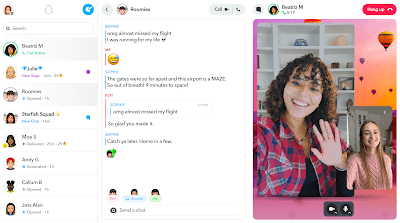
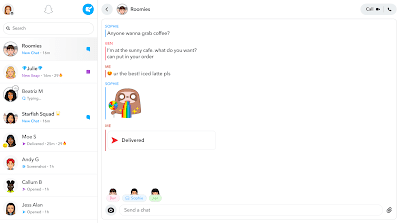
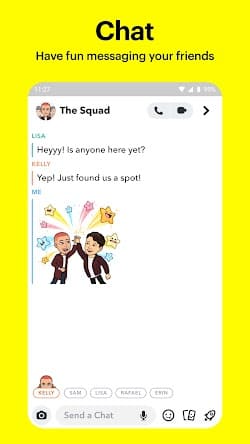
One of the most distinctive features of Snapchat is the ephemeral nature of the messages. When you send a photo, video, or chat, it disappears after being viewed, typically within a few seconds. This adds an element of spontaneity and privacy to conversations.
Stories:
Unlike traditional social media posts, Snapchat Stories are compilations of photos and videos that users can broadcast to followers. These stories last for 24 hours before disappearing, promoting real-time sharing.
Filters and Lenses:
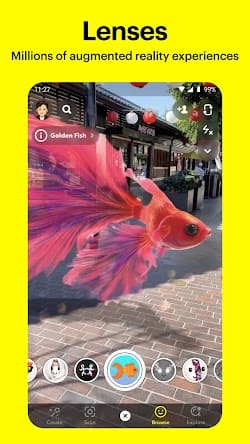
Snapchat offers a wide range of filters and lenses that allow users to add fun and creative effects to their photos and videos. From face swaps to augmented reality filters, these features have become immensely popular and entertaining for users of all ages.
Discover:
Snapchat’s Discover feature provides a platform for publishers and content creators to share news, entertainment, and other engaging content. Users can explore a curated collection of articles, videos, and stories from various sources, including news outlets, entertainment channels, and lifestyle publications.
Highlights of Snapchat
 Augmented Reality
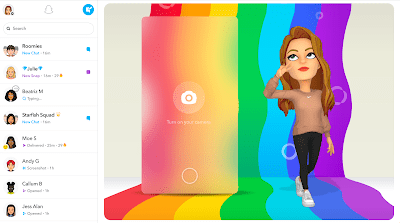
Snapchat has been at the forefront of augmented reality technology. With features like World Lenses and Bitmoji AR, users can overlay virtual objects and effects onto their real-world surroundings, enhancing their photos and videos with interactive elements.
Snap Map
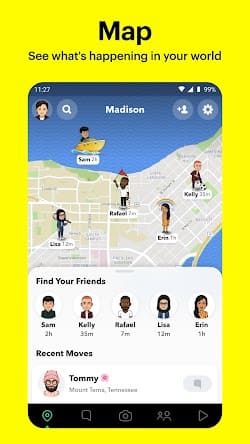
With Snap Map, users can share their locations with friends and see where their friends are on a map. It also provides real-time updates from events happening around the world, allowing users to discover new places and connect with friends in a unique way.
Memories
Snapchat’s Memories feature enables users to save and revisit their snaps and Stories. It provides a way to preserve favorite moments and create longer-lasting memories within the app.
Tips
 Understanding the time limit.
One of Snapchat’s original distinguishing features is the ability to send photos or snaps that disappear after a set duration (1 to 10 seconds). Ensure you set an appropriate time limit depending on the content of your snap. For instance, if it’s something with a lot of detail that the receiver may need more time to observe, set a longer duration.
Pay attention to the screenshot’s notification.
Always remember that if someone takes a screenshot of your snap, you will be notified. This is a good feature to be aware of, both as a sender and a receiver. As a sender, it reminds you that even though snaps are ephemeral, there is always a way to keep them. As a receiver, be mindful before taking a screenshot, as the sender will know.
Pros & Cons
 Disappearing snaps promote real-time sharing without long-term consequences.
Offers unique filters, lenses, and Bitmoji integration for personalized communication.
Primarily engages younger demographics, ideal for targeted marketing efforts.
Allows users to broadcast daily moments, fostering engagement and interaction.
Users can choose who views their content, giving more control over sharing.
Disappearing snaps promote real-time sharing without long-term consequences.
Offers unique filters, lenses, and Bitmoji integration for personalized communication.
Primarily engages younger demographics, ideal for targeted marketing efforts.
Allows users to broadcast daily moments, fostering engagement and interaction.
Users can choose who views their content, giving more control over sharing.
 Content’s temporary nature can impede long-term branding or memories.
Interface and features might confuse new or older users initially.
Features often replicated by competitors, diluting its uniqueness.
Despite controls, potential for screenshotting or misuse of content persists.
Content’s temporary nature can impede long-term branding or memories.
Interface and features might confuse new or older users initially.
Features often replicated by competitors, diluting its uniqueness.
Despite controls, potential for screenshotting or misuse of content persists.
FAQ


Ratings